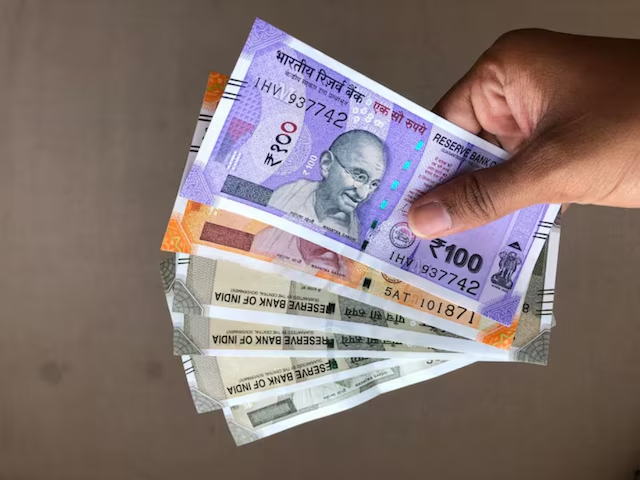
Bhubaneswar: The Reserve Bank of India (RBI) is exploring the possibility of introducing polymer banknotes, potentially beginning with ₹10 and ₹20 denominations, in a move aimed at reducing currency replacement costs and improving the durability of notes in circulation.
Polymer banknotes are made from a specialized plastic substrate rather than traditional cotton-based paper. These notes are known for their superior resistance to dirt, moisture, and tearing, allowing them to remain in circulation significantly longer than conventional paper currency. The longer lifespan of polymer notes could help lower the costs associated with printing and replacing worn-out banknotes.
In addition to durability, polymer currency offers enhanced security features, including transparent windows, advanced holograms, and complex printing technologies that make counterfeiting more difficult. These features have led several countries to adopt polymer notes as part of their efforts to strengthen currency security.
India had previously experimented with polymer currency in 2012 through a pilot project involving ₹10 notes. However, the initiative did not move beyond the trial phase due to technological limitations and operational challenges related to ATM compatibility and currency-handling systems. Officials now believe that advances in banking infrastructure and cash-processing technology have addressed many of those concerns.
The RBI’s renewed interest in polymer notes comes amid rising currency printing costs and the rapid deterioration of lower-denomination notes, which experience heavy circulation. By increasing the lifespan of these notes, the central bank could reduce the frequency of replacements and improve overall efficiency in currency management.
Globally, more than 60 countries, including Australia, Canada, and the United Kingdom, have adopted polymer banknotes. These countries have reported benefits such as improved durability, reduced replacement expenses, better hygiene, and stronger protection against counterfeit currency.
While no final decision has been announced, the RBI is reportedly evaluating the potential benefits and challenges of transitioning to polymer currency. If approved, the move could mark a significant modernization of India’s banknote system and align the country with global trends in currency technology.
-OdishaAge