Bhubaneswar: Odisha is set to take one of its toughest steps yet against vehicular pollution. From the first week of January 2026, fuel stations across the state will deny petrol and diesel to vehicles that do not carry a valid Pollution Under Control Certificate (PUCC). The decision by the Odisha State Transport Authority (STA) marks a decisive shift from advisory enforcement to strict, technology-backed compliance.
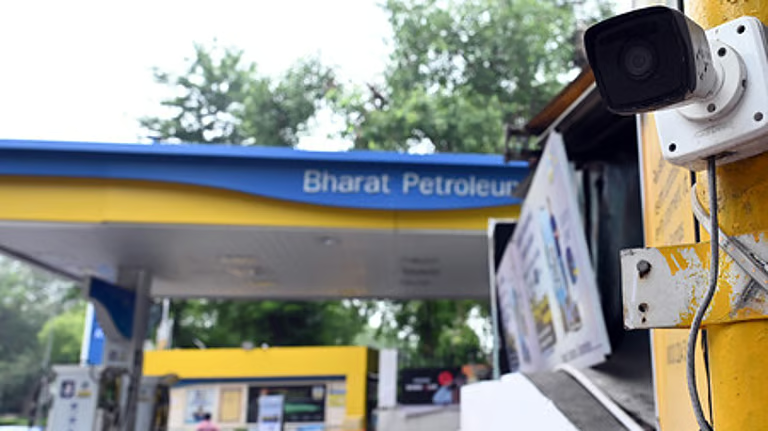
At the heart of the new policy is AI-powered Automatic Number Plate Recognition (ANPR) technology. These cameras, to be installed at fuel stations, will scan vehicle registration numbers and instantly verify PUCC validity through the national VAHAN database. If the certificate has expired, fuel will simply not be dispensed.
A Technology-First Approach
The use of ANPR cameras signals a move towards real-time, tamper-proof enforcement, reducing the scope for human discretion and corruption. Until the camera network is fully operational, the STA has introduced a PUCC windshield sticker system, clearly displaying the certificate’s expiry date—an interim solution aimed at maintaining continuity.
While petrol pumps have initially been asked to bear the installation costs, the STA has left the door open for cost-sharing, depending on final equipment pricing. This flexibility may help ease resistance from fuel retailers, many of whom have raised concerns over infrastructure expenses.
Beyond Emissions: Zero Tolerance Policing
The crackdown on emissions will run parallel to enhanced road safety enforcement. The STA will roll out “Zero Tolerance Days” every Wednesday, Friday and Sunday, targeting offences such as drunk driving, overspeeding and other traffic violations. This combined approach reflects an understanding that pollution control and road safety are deeply interconnected.
Cleaning Up the System
Equally significant is the action against corruption within the pollution testing ecosystem. Transport Commissioner Amitabh Thakur confirmed that seven PUCC testing centres have already been shut down for issuing fraudulent certificates—an acknowledgement that enforcement without institutional reform would be ineffective.
Vehicular emissions remain a major contributor to deteriorating air quality in urban Odisha, particularly in cities like Bhubaneswar, Cuttack and Rourkela. The “No PUCC, No Fuel” rule directly targets non-compliant vehicles, ensuring that pollution control is no longer optional or symbolic.
Similar measures in New Delhi have demonstrated that fuel-linked enforcement is among the most effective tools for improving compliance. Odisha’s adoption of this model positions it among the more proactive states in environmental governance.
The Road Ahead
The success of this policy will depend on speedy camera installation, system reliability, and public awareness. Any technological glitches or uneven enforcement could invite backlash. However, if implemented with transparency and consistency, the initiative could significantly reduce emissions and set a benchmark for other states.
In a time when air quality is fast becoming a public health emergency, Odisha’s move sends a clear message: clean air is not negotiable—and compliance begins at the fuel pump.
-OdishaAge