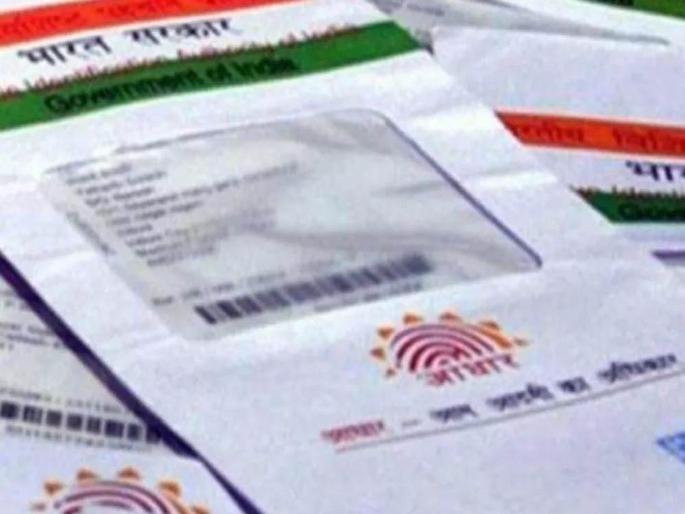
Bhubaneswar: In one of the largest data-purification drives undertaken to date, the Unique Identification Authority of India (UIDAI) has deactivated more than 2 crore Aadhaar numbers belonging to deceased individuals. The move, confirmed by the Ministry of Electronics & IT, is aimed at strengthening the integrity of the national identity system and preventing fraud linked to Aadhaar-based welfare schemes.
Aim: Stop Identity Misuse & Leakages in Welfare Delivery
Officials said the exercise will curb identity theft, impersonation, and misuse of subsidies, pensions, and public distribution benefits that continue to be linked to Aadhaar authentication.
UIDAI sourced verified death records from multiple agencies, including:
-
Registrar General of India (RGI)
-
State and Union Territory administrations
-
Public Distribution System (PDS)
-
National Social Assistance Programme (NSAP)
The authority is also in discussions with banks, insurance companies, and other financial institutions to expand data-sharing mechanisms. UIDAI reiterated that Aadhaar numbers are never reassigned after a person’s death.
New Digital Tool for Families to Report Deaths
To make the process more citizen-friendly, UIDAI this year launched a “Reporting of Death of a Family Member” feature on the myAadhaar portal. The service is currently live in 25 states and Union Territories integrated with the Civil Registration System; work is underway to cover the remaining regions.
Using the service, an authorised family member can:
-
Log in to the portal
-
Submit the deceased person’s Aadhaar number
-
Provide the Death Registration Number
-
Enter basic demographic details
Once validated with official records, the Aadhaar number is permanently deactivated.
UIDAI Urges Timely Reporting
UIDAI has appealed to citizens to report deaths promptly after receiving the official death certificate to prevent misuse of the deceased’s identity and ensure accurate national records.
-OdishaAge