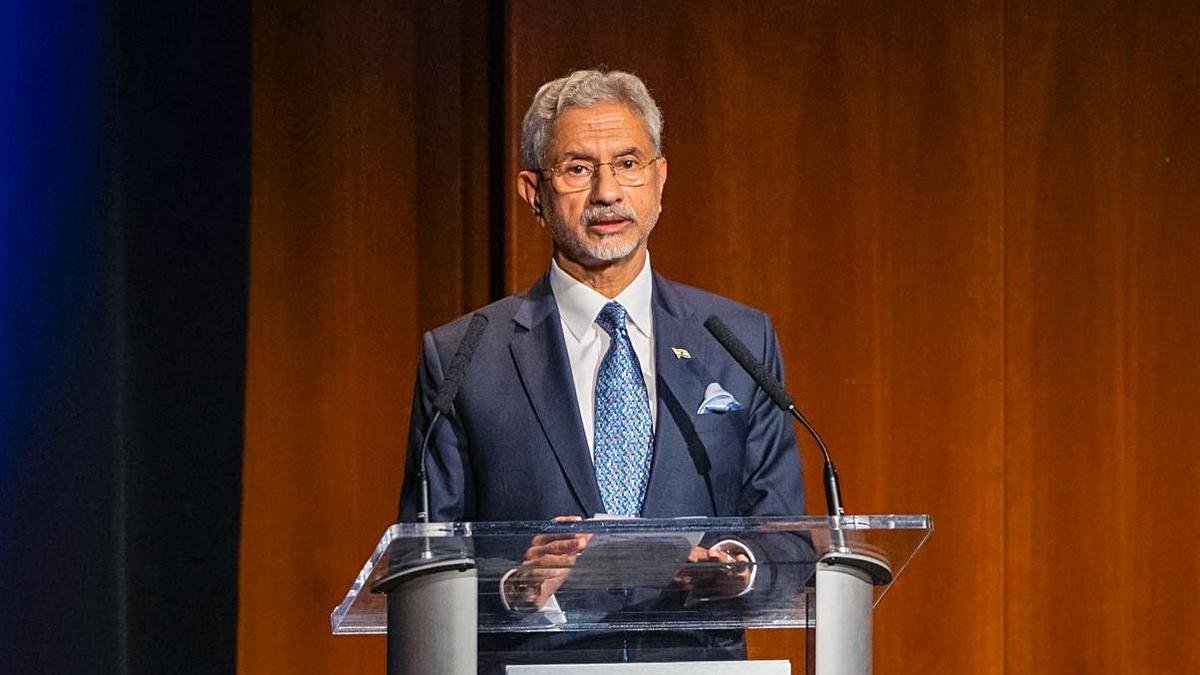
Bhubaneswar: External Affairs Minister S Jaishankar has warned of a possible “major food crisis” in the coming months, saying the ongoing conflicts in Ukraine and Iran, along with disruptions to energy and fertiliser supplies, are placing severe pressure on economies across the Global South.
Speaking during a conversation hosted by the Asia Society, Jaishankar said the impact of the two conflicts on developing economies had been “devastating”, with energy, food, fertilisers and finance all coming under increasing strain.
He said the global energy market was already “very tight” and warned that political manoeuvring over oil supplies could further complicate the situation and push prices higher.
According to Jaishankar, the crisis has two interconnected dimensions: the security of oil supplies and the politics surrounding those supplies. Together, he said, they were creating what he described as a “double crisis” or an aggravated crisis.
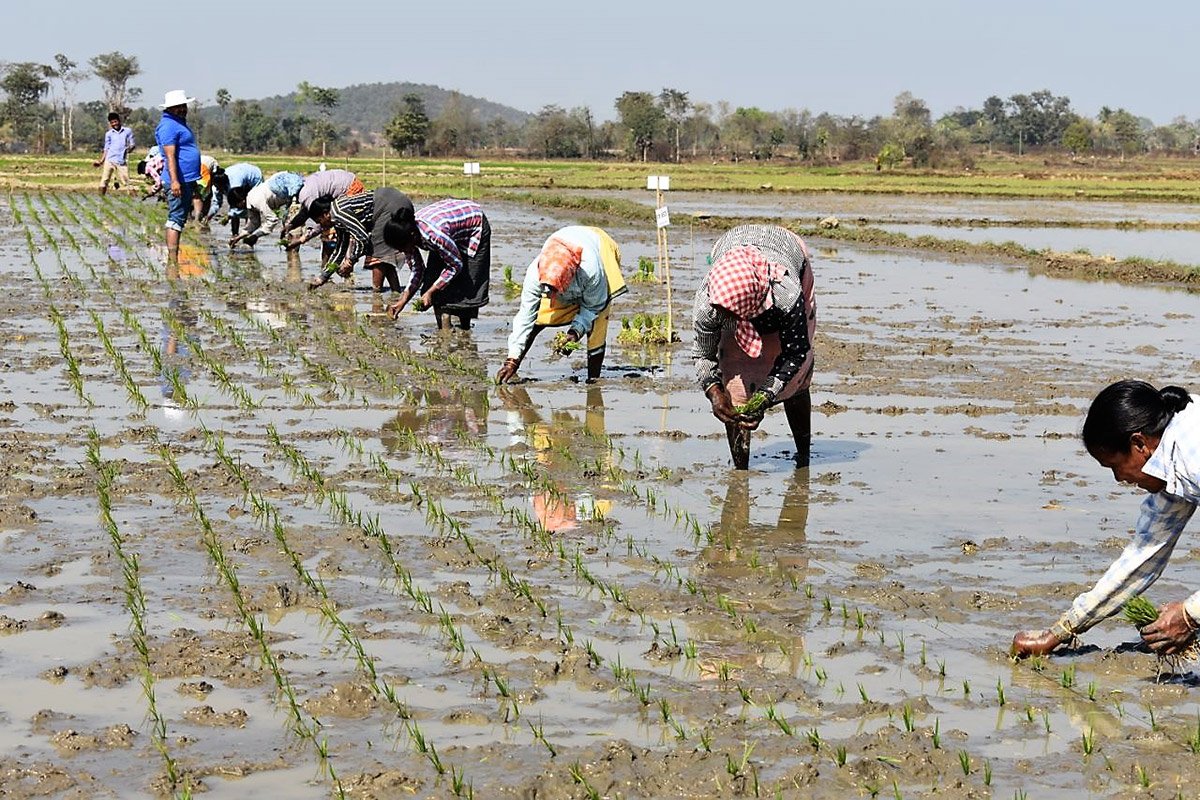
Turning to food security, Jaishankar said the global community was facing concerns over the availability and movement of grains, particularly as some major exporters could face difficulties in shipping supplies through the Black Sea.
He also highlighted growing concerns over fertiliser availability. Key fertiliser-producing regions include Russia and West Asia, where production and supply chains have been affected by geopolitical tensions.
The External Affairs Minister further warned that the situation could be compounded by adverse climate patterns, including the possibility of a strong El Niño, potentially affecting agricultural production and food availability.
“There is going to be a major food crisis probably in the coming months,” Jaishankar said, stressing that the simultaneous pressure on energy, food, fertilisers and financial flows could prove particularly damaging for developing nations.
He explained that during periods of geopolitical conflict, global capital often moves towards perceived safe-haven markets, reducing the flow of finance to Global South economies. This, combined with higher energy and food costs, could place additional pressure on vulnerable countries.
Jaishankar said policymakers could not simply argue that these consequences were unintended, given the scale of disruption being created by the conflicts.
The warning comes as governments across developing economies closely monitor energy prices, grain supplies, fertiliser availability and capital flows, amid heightened geopolitical uncertainty.