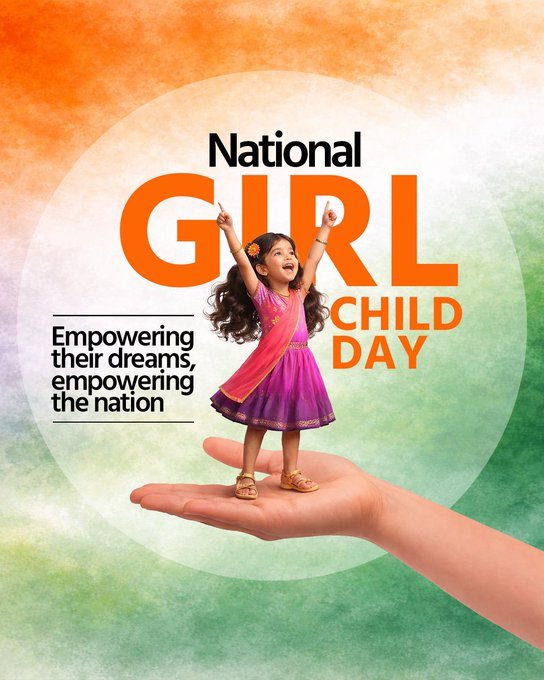
Bhubaneswar: India marked National Girl Child Day on January 24, reaffirming its commitment to promoting the rights, health, education and overall well-being of girls across the country. Observed annually since 2008, the day aims to raise awareness against gender-based discrimination and highlight the need to ensure equal opportunities for girls.
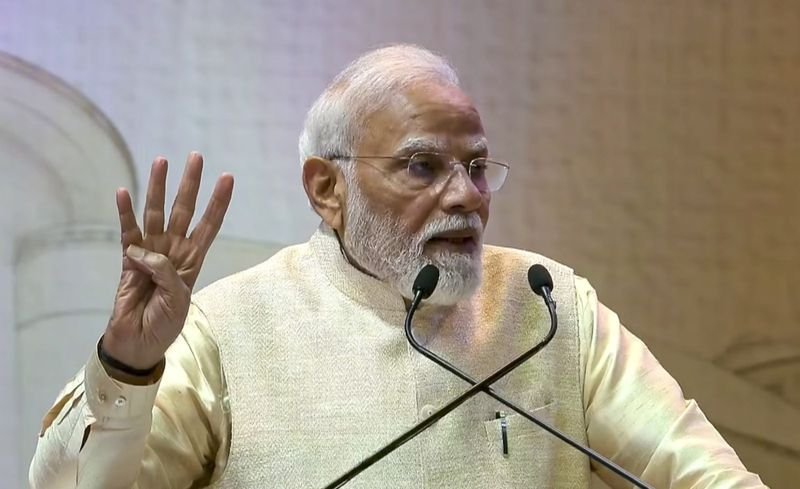
Political leaders across party lines issued messages underscoring the importance of empowering girls. Union Home Minister Amit Shah highlighted the role of “Nari Shakti” in nation-building and referred to initiatives undertaken in recent years to improve access to education, healthcare and safety for girls. Prime Minister Narendra Modi has consistently emphasised women-led development, with flagship programmes focusing on social inclusion and empowerment.
West Bengal Chief Minister Mamata Banerjee, in her message, drew attention to the state’s Kanyashree scheme, which provides financial support to girls to encourage education and prevent child marriage. According to the state government, the programme has benefited more than one crore girls and has received international recognition for its impact on social development.
At the national level, schemes such as Beti Bachao Beti Padhao have contributed to improvements in the child sex ratio and increased awareness about the value of the girl child, particularly in regions with historically skewed gender ratios. Government data and independent assessments indicate gradual progress, though challenges remain in ensuring uniform outcomes across states.
Leaders from the Congress, BJP and other political parties stressed that sustained action is essential to translate policy commitments into lasting change. They called for continued investment in education, nutrition, health services and legal protections to secure a safer and more equitable future for girls.
National Girl Child Day serves as a reminder that while progress has been made, collective efforts from governments, communities and families remain crucial to eliminating gender bias and enabling girls to realise their full potential.