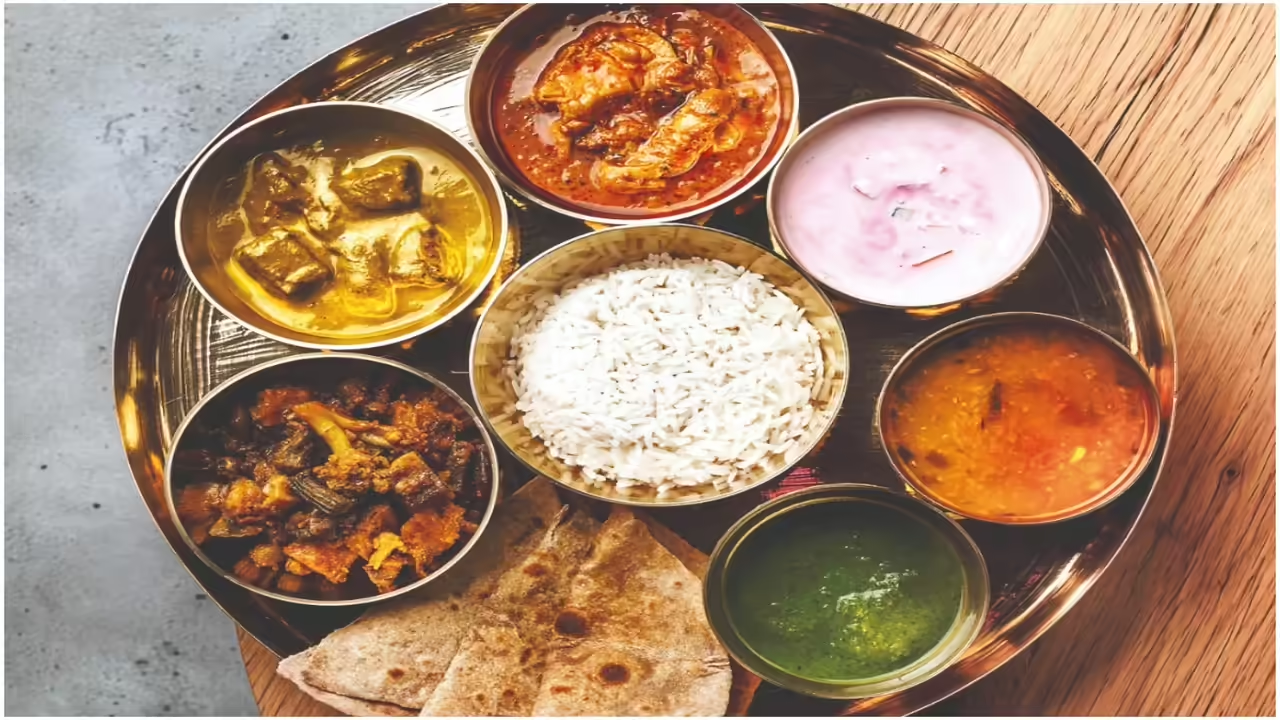
Bhubaneswar: For centuries, the Indian thali — with its rice, roti, dal, and curries — has been celebrated as a wholesome meal symbolising the country’s culinary diversity. But behind its comforting familiarity lies a growing health concern: too many carbohydrates and too little protein.
According to a recent Indian Council of Medical Research (ICMR) survey, 62% of the average Indian’s daily calories come from carbohydrates, mostly sourced from white rice, refined flour (maida), and added sugars. In contrast, only 12% of calories come from protein, far below the global average of over 20%. The report also highlights high intake of saturated fats, creating an imbalance that is increasingly linked to lifestyle diseases.
The Genetic and Cultural Link
Experts say that South Asians have a genetic predisposition to store fat around the waist, making them more vulnerable to metabolic disorders. Combined with our carb-heavy diet, this genetic factor increases the risk of diabetes, obesity, and heart disease — conditions now alarmingly common across India’s urban and semi-urban population.
“Carbohydrates were once the body’s survival fuel when our ancestors did heavy manual labour in farms,” explained a senior nutrition researcher at ICMR. “But today, a large portion of India works desk jobs or sedentary roles — yet our diet hasn’t evolved accordingly.”
A Farming Nation in a Modern Era
Historically, India has been a farming civilisation, with 45–55% of the population still dependent on agriculture. High-carb foods were essential for energy during long hours of physical work. However, the country’s rapid urbanisation and shift toward sedentary jobs have changed lifestyles — but not eating habits.
As a result, the same carb-rich meals that once sustained farmers now contribute to excess calorie storage, insulin spikes, and sluggish metabolism in less active individuals.
The Health Fallout
India today is often labelled the “Diabetes Capital of the World.”
-
Over 100 million Indians are diabetic.
-
Around 69 million are obese or overweight.
-
Cases of high cholesterol and metabolic syndrome are steadily increasing among younger adults.
Doctors warn that the combination of refined carbs, low protein, and poor dietary fat quality is creating a silent epidemic — one plate at a time.
The Way Forward
Nutritionists suggest that India’s food culture doesn’t need to be abandoned, only rebalanced.
-
Replace refined carbs with whole grains like millets, brown rice, or quinoa.
-
Add lean protein sources — lentils, eggs, paneer, fish, or legumes — to every meal.
-
Include fiber-rich vegetables and good fats (like nuts and seeds) to stabilise metabolism.
“Our thali can still remain proudly Indian,” said a leading dietitian, “but it needs to reflect the modern lifestyle — less farming, more sitting. Balance is the key.”
India’s deep-rooted love for carbs is cultural, emotional, and historical — but in today’s context, it has become a health liability. To protect future generations from lifestyle diseases, the shift must start at home, with a more mindful, protein-balanced thali.
-OdishaAge