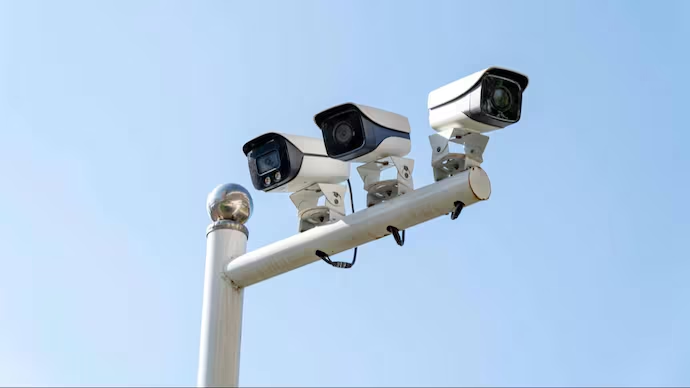
Bhubaneswar: In a significant step toward strengthening national security and safeguarding digital infrastructure, the Government of India is reportedly planning to impose restrictions on Chinese surveillance and networking equipment used across the country.
The move is expected to impact major global players such as Hikvision, Dahua Technology, and TP-Link, whose products are widely deployed in India’s public and private sectors.
Rising Security Concerns
Authorities have raised concerns over potential vulnerabilities in foreign-made surveillance systems, particularly the risk of unauthorized data access or remote monitoring. These concerns are especially significant given the widespread use of such devices in critical infrastructure, including government offices, transport systems, residential complexes, and corporate environments.
Officials believe that unchecked use of such equipment could pose long-term risks to data sovereignty and internal security.
Widespread Usage Across India
Over the past decade, cost-effective Chinese CCTV cameras and networking devices have gained a strong foothold in the Indian market. Their affordability and easy availability have led to their adoption across cities, businesses, and households, making any regulatory action both impactful and far-reaching.
Boost to Domestic Industry
The proposed restrictions are also aligned with India’s broader push for self-reliance in technology under initiatives like “Make in India.” Industry experts suggest that limiting foreign participation in sensitive sectors could open up significant opportunities for Indian manufacturers and startups in surveillance technology, electronics, and cybersecurity.
This shift may encourage innovation, local production, and the development of trusted, secure alternatives within the country.
Policy Direction and Strategic Shift
Although an official notification is awaited, the move reflects a growing global trend of scrutinizing foreign technology in critical sectors. Several countries have already imposed similar restrictions citing national security risks.
For India, the potential decision signals a strategic shift toward building a secure, resilient, and self-reliant digital ecosystem.
The Road Ahead
If implemented, the policy could reshape India’s surveillance technology market, prompting both public and private stakeholders to reassess their existing infrastructure. It may also lead to stricter compliance norms, enhanced cybersecurity standards, and greater emphasis on trusted vendors.
As India continues to digitize rapidly, ensuring the integrity and security of its technological backbone remains a top priority—making this move a potentially defining moment in the country’s digital governance framework.
-OdishaAge