Bhubaneswar: The ongoing severe heatwave in Delhi and the National Capital Region (NCR) is taking a serious toll on birds and stray animals, with veterinarians and animal rescuers reporting a sharp rise in cases of dehydration, heatstroke, infections, and exhaustion.
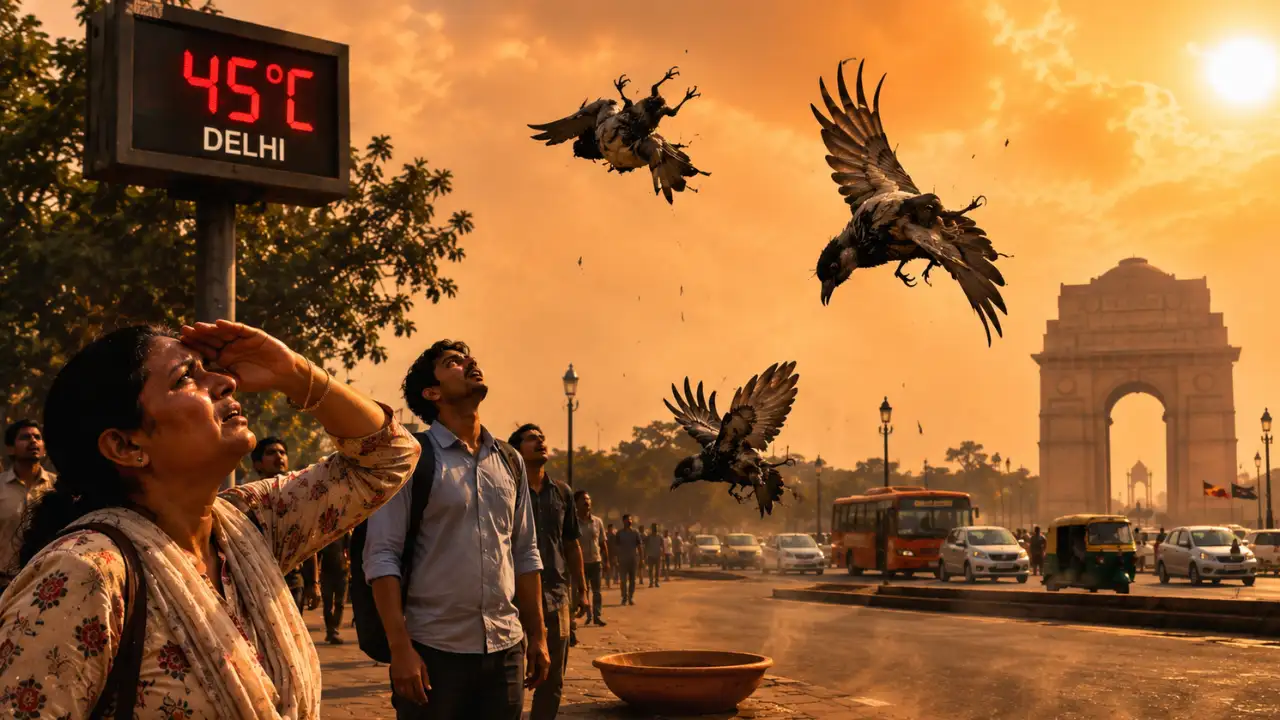
With temperatures crossing 45 degrees Celsius in several areas, extreme heat and dry conditions have created dangerous levels of stress for urban wildlife and stray animals struggling to find food, water, and shelter.
Veterinarians said pigeons are among the worst-affected species during the current heatwave. Many birds have reportedly been collapsing mid-flight due to severe dehydration and exhaustion.
Animal rescue groups have also observed a sharp increase in cases of pigeon pox, a viral disease that weakens birds and causes difficulty in feeding, making survival even harder during extreme temperatures.
Rescue centres across the NCR are receiving dozens of distressed birds every day, including black kites, eagles, and peacocks suffering from breathlessness, dehydration, and heat-related illnesses.
Animal welfare organisations said stray dogs and cats are also facing severe health complications. High temperatures are accelerating the decomposition of garbage, increasing the risk of toxicity and gastrointestinal infections among animals feeding at waste dumps and garbage collection points.
Rescuers noted that birds of prey such as eagles are particularly vulnerable because they do not have reliable access to food and water sources unlike domesticated animals or birds regularly cared for by humans.
Several NGOs and volunteer groups have now launched relief campaigns by distributing free earthen water pots and operating bird ambulance services to rescue and treat affected animals and birds.
Experts warned that rapid urbanisation, shrinking wetlands, disappearing water bodies, and declining green cover have significantly worsened the crisis by reducing natural cooling spaces and accessible water sources for wildlife.
Veterinarians and animal welfare groups have appealed to residents to place clean water bowls in shaded areas outside homes, terraces, balconies, parks, and rooftops to help birds and stray animals survive the intense summer heat.
They emphasized that small community efforts can play a crucial role in preventing dehydration-related deaths among urban animals during extreme weather conditions.